

Educators today face an unprecedented challenge: students are drowning in video content. From lecture recordings to documentary clips, video has become the backbone of modern learning, yet it brings significant hurdles. Teachers spend hours reviewing lengthy recordings to extract key points, while students struggle to navigate hour-long videos searching for specific concepts. Meanwhile, non-native speakers and students with disabilities often find themselves excluded from video-based learning entirely.
The AI video summarizer and YouTube video translator are revolutionizing how educators deliver accessible content. These intelligent tools automatically condense lengthy videos into digestible summaries while translating content across multiple languages in real time. For educators, this means reclaiming valuable preparation time—what once took hours now takes minutes. For students, it means personalized, inclusive learning experiences that accommodate diverse needs and learning styles. By breaking down language barriers and information overload simultaneously, these technologies are transforming classrooms into truly accessible spaces where every student can thrive.
The Accessibility Crisis in Modern Education
Video content now dominates educational environments, with studies showing that 98% of educators incorporate video materials into their teaching strategies. The average college student watches approximately 4.5 hours of educational video content weekly, while K-12 classrooms increasingly rely on flipped learning models built around video lectures. Remote learning has intensified this dependency, with video consumption in educational settings surging by 300% since 2020.
However, this video-centric approach creates significant barriers. Language diversity presents the most visible challenge—over 10% of U.S. students are English language learners who struggle with native-speed audio content. Students with hearing impairments face incomplete or inaccurate captions, while those with attention disorders find hour-long videos cognitively overwhelming. Even neurotypical native speakers experience information fatigue when processing dense video lectures without structured breaks or summaries.
These accessibility gaps directly impact learning outcomes. Research indicates that students retain only 20% of information from unsupported video content compared to 65% retention when videos include summaries and multilingual support. Engagement drops precipitously after the first 15 minutes of passive video watching, yet most educational videos exceed 30 minutes. Without proper accessibility tools, educators inadvertently create learning environments where significant student populations cannot fully participate or succeed.
AI Video Summarizers: Your New Essential Educational Tool
What is an AI Video Summarizer?
AI video summarizers leverage natural language processing and machine learning algorithms to analyze video content frame-by-frame and extract essential information. These systems transcribe spoken dialogue, identify visual elements, and recognize patterns in presentation structure to determine which segments contain critical concepts versus supplementary material. The technology processes both audio tracks and on-screen text, creating a hierarchical understanding of content importance based on repetition, emphasis markers, and contextual relevance.
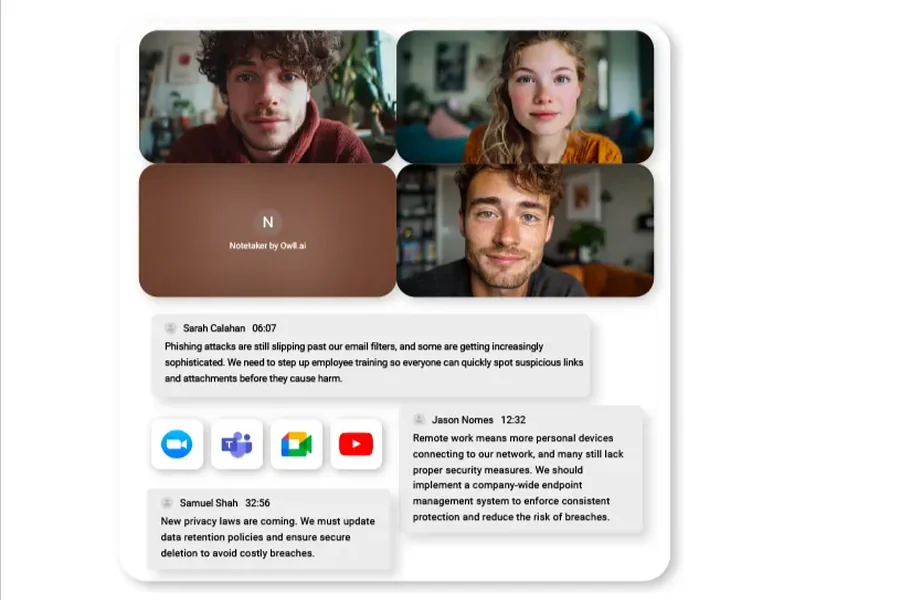
Modern summarizers produce multiple output formats tailored to different learning preferences. Text summaries provide concise paragraph overviews or bullet-point highlights of main ideas. Chapter markers automatically segment long videos into logical sections with timestamps, allowing students to jump directly to relevant topics. Key clip extraction isolates the most important 30-second to 2-minute segments, creating highlight reels that capture essential demonstrations or explanations without requiring students to watch entire recordings.
YouTube Video Translator Integration
Advanced platforms combine summarization with automated transcription services that convert speech to text with over 95% accuracy across dozens of languages. These YouTube video translators don’t simply translate words—they preserve educational context and terminology precision while adapting content for cultural relevance. The translation engine works in tandem with summarization algorithms, ensuring that condensed versions maintain meaning across all supported languages rather than creating disjointed fragments.
This synchronization means educators can generate a summary in English while simultaneously producing Spanish, Mandarin, and Arabic versions from the same source video. Students access identical conceptual content in their preferred language, with timestamps and chapter markers remaining consistent across all translations, creating truly parallel learning experiences regardless of linguistic background.
Transformative Benefits for Educational Content Accessibility
AI summarization directly addresses cognitive overload by distilling hour-long lectures into focused 5-10 minute digests that highlight essential concepts, definitions, and demonstrations. Students can preview these condensed versions before watching full videos, creating mental frameworks that improve comprehension during complete viewings. For review sessions, summaries eliminate the need to re-watch entire recordings—learners access specific timestamps for challenging concepts instead of scrubbing through irrelevant material. This targeted approach increases information retention from 20% to over 60% according to recent educational psychology studies.
Multilingual translation capabilities demolish language barriers that traditionally excluded non-native speakers from video-based learning. A single lecture automatically becomes accessible in Spanish, Mandarin, Arabic, and dozens of other languages without requiring educators to record multiple versions or hire translators. English language learners engage with content at their proficiency level while gradually building language skills, and international students participate fully in courses previously limited by linguistic constraints. This linguistic flexibility creates genuinely inclusive classrooms where language differences enhance rather than hinder learning.
Educators reclaim substantial preparation time previously consumed by manual video review and content adaptation. What once required three hours of watching, note-taking, and translating now completes in under ten minutes through automated processing. Teachers redirect this saved time toward personalized student interactions, curriculum development, and creative lesson design. The technology also enables rapid content updates—when educational videos change or new materials emerge, summaries and translations regenerate instantly without requiring educators to repeat labor-intensive review processes, maintaining course relevance without increasing workload.
Step-by-Step Guide: Implementing Summarization and Translation
Step 1: Selecting and Uploading Content
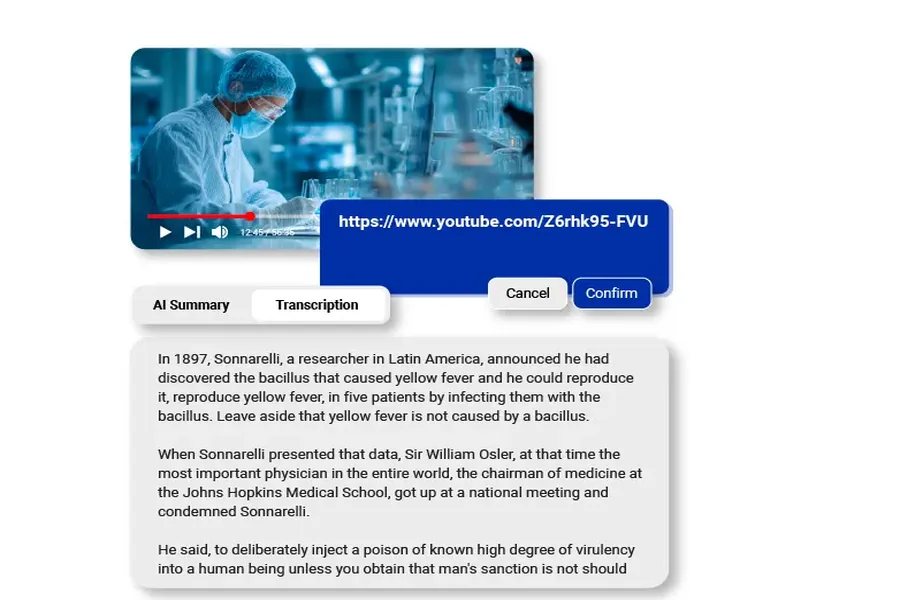
Begin by identifying educational videos that align with your curriculum objectives. YouTube videos work seamlessly with most AI tools—simply copy the video URL from your browser’s address bar. For locally stored content, ensure files are in compatible formats like MP4, MOV, or AVI with clear audio tracks. Videos with existing captions produce more accurate results, though modern tools process uncaptioned content effectively. Prioritize videos between 10-60 minutes in length, as these durations benefit most from summarization while providing sufficient content for meaningful extraction.
Step 2: Generating Summaries and Translations
Access your chosen AI platform and paste the YouTube URL or upload your video file through the designated interface. Select your desired output format—brief overview, detailed summary, or timestamped chapters based on how students will use the material. Initiate processing by clicking the generate or summarize button. Most platforms complete analysis within 2-5 minutes depending on video length. For translations, select target languages from the available menu before or after summary generation. Many tools allow simultaneous processing of summaries and translations, producing all versions in a single workflow. Platforms like Owll AI streamline this process by offering integrated transcription and translation capabilities specifically designed for educational content, enabling educators to generate accurate multilingual summaries without switching between multiple services.
Step 3: Customizing Output for Classroom Use
Review the generated summary and adjust density settings if available—some platforms offer slider controls to increase or decrease detail levels. Edit any terminology that requires educational context or simplification for your student population’s grade level. For translations, verify that subject-specific vocabulary maintains accuracy across languages, particularly for technical terms in STEM subjects. Export summaries as downloadable text documents, PDFs, or shareable links depending on your distribution method. Create separate versions for different student groups if needed, such as extended summaries for advanced learners and condensed versions for struggling students.
Step 4: Integration with Learning Platforms
Most Learning Management Systems accept content through direct URL embedding or file uploads. In Canvas, navigate to your course module and select “Add Item,” then paste the summary link or upload the document. Moodle users should access the “Add an activity or resource” menu and choose “File” or “URL” depending on output format. Google Classroom allows attachment of summary documents directly to assignments or announcements. For maximum accessibility, post both the original video and its summary side-by-side within the same module, enabling students to toggle between full content and condensed versions. Include translated versions as separate attachments labeled clearly by language, ensuring students immediately identify their preferred option without confusion.
Choosing the Right AI Tools for Educational Needs
When selecting AI video summarizers and translators for classroom use, prioritize accuracy rates above 90% for both transcription and translation to ensure students receive reliable information. Language support breadth matters significantly—choose platforms offering at least 20-30 languages to accommodate diverse student populations, with particular attention to languages prevalent in your school community. Processing speed directly impacts workflow efficiency; tools that generate summaries within 3-5 minutes for standard lecture-length videos allow real-time preparation during planning periods.
Privacy compliance represents a non-negotiable consideration for educational settings. Verify that platforms meet FERPA requirements in the United States or equivalent data protection standards internationally, ensuring student information and uploaded content remain secure. Look for tools offering institutional accounts with administrative controls rather than consumer-grade services that may share data with third parties. Some platforms specifically designed for education provide additional safeguards like automatic content deletion after processing and encrypted storage during analysis, protecting both educator intellectual property and student privacy throughout the summarization and translation workflow.
Best Practices for Maximizing Content Accessibility
Universal design principles demand layered accessibility approaches rather than single-solution implementations. Pair AI-generated summaries with full transcripts posted alongside original videos, allowing students to choose their preferred engagement method—some learn best from condensed overviews while others need complete textual references for detailed study. Include both formats in every course module to accommodate neurodivergent learners, students with varying attention capacities, and those who benefit from reading while listening. This redundancy ensures no student falls through accessibility gaps created by relying exclusively on one format.
Build comprehensive multilingual resource libraries by systematically processing your entire video curriculum through translation tools at semester start. Organize materials by language in clearly labeled folders within your LMS, enabling students to immediately locate content in their native language without navigating English-first structures. Update these banks continuously as you add new videos, maintaining parity across all language versions so no student group receives outdated or incomplete materials compared to English speakers.
Establish feedback mechanisms that capture student experiences with summarized and translated content. Deploy brief surveys after major assignments asking which accessibility features students utilized and how effectively these tools supported their learning. Use this data to refine summary detail levels, identify languages requiring additional support, and discover which video types benefit most from AI processing. Student insights reveal real-world accessibility needs that educators cannot anticipate alone, transforming your implementation from theoretical accommodation into responsive, student-centered practice that evolves with your classroom’s actual requirements.
Embracing AI Tools for Inclusive Education
AI video summarizers and YouTube video translators represent genuine game-changers for educational accessibility, transforming how educators deliver content and how students engage with learning materials. These technologies eliminate the dual barriers of information overload and language exclusion that have long prevented many students from reaching their full academic potential. By condensing hours of video into digestible summaries while simultaneously translating content across dozens of languages, these tools create classrooms where every learner—regardless of linguistic background, cognitive processing style, or disability status—can access the same high-quality educational experiences.
The future of inclusive education will see AI capabilities expanding beyond current summarization and translation functions. Emerging technologies promise real-time emotion recognition to gauge student comprehension, adaptive summarization that adjusts complexity based on individual learning profiles, and voice synthesis that maintains instructor personality across translated content. These advancements will further personalize learning while reducing educator workload, allowing teachers to focus on what they do best—inspiring and guiding students rather than managing technical barriers.
Now is the time to experiment with these transformative tools. Start with a single problematic video that currently excludes students, process it through an AI summarizer with translation capabilities, and observe the difference in engagement and comprehension. The technology has matured beyond experimental status into reliable, classroom-ready solutions. By adopting these accessibility tools today, educators take concrete steps toward truly equitable learning environments where every student has the opportunity to thrive, regardless of the barriers they previously faced.
