

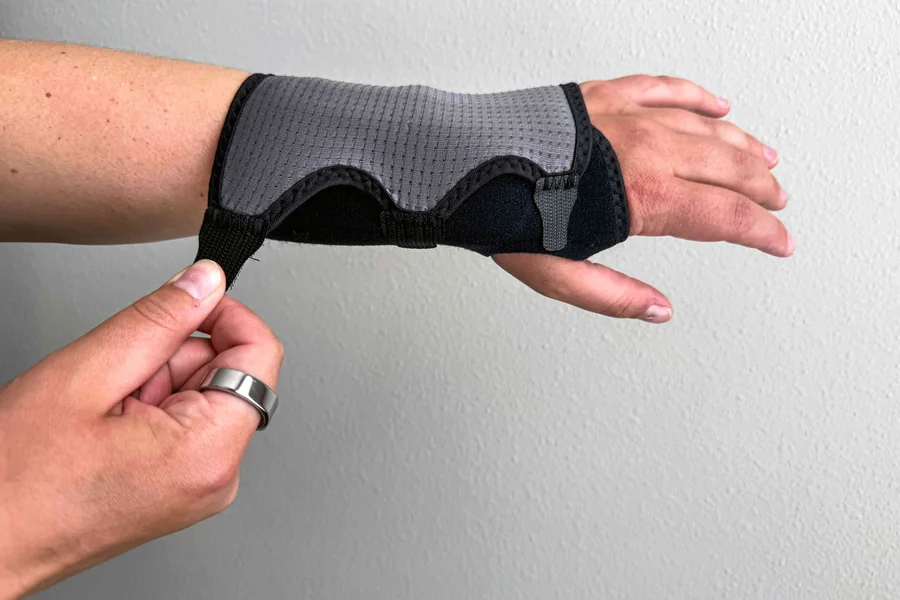
Let’s be honest: we don’t really care about our wrists until they hurt. Wrist pain can come on quickly from typing all day, lifting groceries, chasing kids, or getting through a tough workout. That’s when the right wrist splint can make a huge difference.
But here’s the thing: not all splints work for every situation. Picking the wrong one can make you feel like you don’t need it or like it’s too limiting.
So let’s go over how to pick the best wrist support for your daily tasks.
Why You Might Need a Wrist Support in the First Place
The bones, ligaments, tendons, and nerves in your wrist make it a small but strong joint. It does the same thing over and over again, like typing, gripping, twisting, lifting, and scrolling (yes, that too).
- A good wrist support can help:
- Lower inflammation
- Make weak joints stronger
- Avoid going too far
- Take the stress off tendons
- Help with recovery after an injury
And what if your pain goes all the way to your thumb? That’s when a thumb wrist splint is very important.
What is the difference between a wrist support and a thumb wrist splint?
A lot of people get confused here. Let’s keep it simple.
| Feature | Wrist Support | Thumb Wrist Splint |
| Supports wrist joint | Yes | Yes |
| Supports thumb joint | No | Yes |
| Ideal for typing strain | Yes | Yes (if thumb pain exists) |
| Good for carpal tunnel | Yes | Yes |
| Best for thumb arthritis | No | Yes |
| Restricts thumb movement | No | Yes |
| Level of immobilization | Mild to moderate | Moderate to firm |
If your thumb hurts when you text, grip, twist, or lift things, you should get a thumb wrist splint. A regular wrist support may be enough if your pain is only in your wrist.
Step 1: Choose a splint that fits with what you do every day
Your routine is more important than you think.
For typing and working at a desk
You don’t need something big if you work on a computer all day. You need:
- Design that is lightweight
- Fabric that lets air through
- Straps that can be changed
- Moderate pressure
A flexible wrist support keeps your wrist straight without locking it in place. You still need to be able to move around to type comfortably.
For jobs that require physical activity or an active lifestyle
You’ll need more stability if you lift, cook, clean, go to the gym, or use your hands a lot.
Look for:
- Metal stays that are stronger
- Strong Velcro closure
- Extra coverage for the thumb (if needed)
- Material that lasts
A structured thumb wrist splint is a good choice here because it protects both joints that are under stress.
To Get Better After an Injury
Are you healing from a sprain or tendon injury? It becomes more important to stay still.
A quick comparison is here:
| Condition | Recommended Option | Support Level |
| Mild wrist strain | Wrist support | Light |
| Carpal tunnel syndrome | Wrist support (neutral position) | Moderate |
| De Quervain’s syndrome | Thumb wrist splint | Moderate to firm |
| Thumb arthritis | Thumb wrist splint | Moderate |
| Wrist sprain (moderate) | Structured wrist support | Firm |
Stability helps tissues heal faster when you’re in recovery mode, but don’t use rigid splints for too long without help.
Step 2: Pick the Right Amount of Help
Different wrist supports feel different. Most of the time, they fall into one of three groups:
| Support Level | Best For | Mobility |
| Light | Prevention & mild discomfort | High |
| Moderate | Ongoing pain & repetitive strain | Medium |
| Maximum | Injury recovery & severe pain | Low |
If you choose the most support for a mild strain, your wrist may become stiff over time. On the other hand, light support won’t do much for serious pain.
Everything is about balance.
Step 3: Comfort Is Not Up for Discussion
The truth is that the best thumb wrist splint is the one you will actually wear all the time.
Look for:
- Soft lining on the inside
- Materials that let air through
- Correct sizing (measure your wrist)
- Compression that can be changed
- No straps that dig in or pinch
Your wrist support is too tight if your fingers feel numb, tingly, or cold. Safe is good. Not suffocating is.
Step 4: Daytime vs. nighttime use is important
Some people only need help at work. Others find it helpful to wear it while they sleep.
Here’s how to make a choice:
| Support Level | Best For | Mobility |
| Light | Prevention & mild discomfort | High |
| Moderate | Ongoing pain & repetitive strain | Medium |
| Maximum | Injury recovery & severe pain | Low |
Night splints should keep your wrist straight, not bent forward or backward.
Step 5: The position of your thumb is very important
When you pick out a thumb wrist splint, make sure to pay close attention to how the thumb sits.
The thumb should:
- Rest in a way that feels natural
- Don’t let yourself be pushed too far out
- Feel supported but not completely stuck
Too much restriction makes things stiff. Not enough doesn’t protect the joint. Look for anatomical design, not flat, awkward placement.
Step 6: The Quality of the Material Matters
At first, a cheap splint might look fine, but the stitching might come loose, the straps might break, or the support bars might move.
A good wrist support gives you:
- Elasticity that lasts a long time
- Fabric that can be washed and doesn’t absorb sweat
- Strong fastening
- Support for the structure that you can count on
You use your hands all the time. Putting money into the right support is like putting money into comfort every day.
Last Thoughts
It doesn’t have to be hard to pick the right wrist band or thumb wrist splint. To begin, think about what you do daily and see if your thumb is involved in activities you are doing on a regular basis. Then choose the right level of support.
The goal isn’t to stop all movement, it’s to protect, stabilize, and let healing happen while you keep living your life.
Your wrists do almost everything for you. Typing, cooking food, driving, and lifting.
Give them the help they need, and they’ll give you strength, comfort, and flexibility every day in return.
