

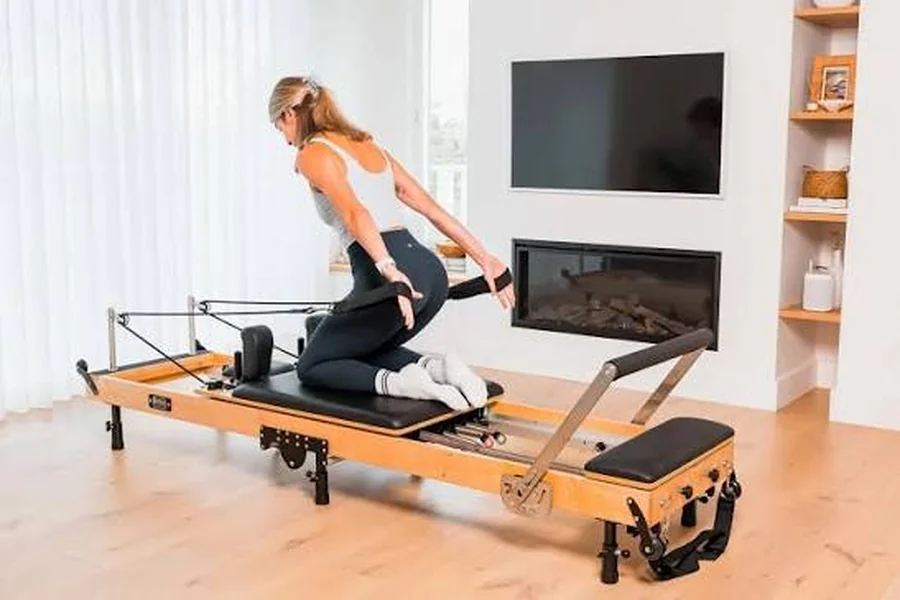
A pilates reformer can transform the way you exercise by combining resistance, controlled movement and full-body coordination in one versatile machine. Once mainly found in specialist studios, reformers are increasingly being purchased for home gyms, rehabilitation spaces, personal training facilities and commercial fitness centres. Unlike conventional gym equipment that normally isolates a particular muscle group, a reformer can support hundreds of different exercises. Users can train their legs, arms, core, back and stabilising muscles while adjusting the resistance to match their experience and physical capabilities. However, not every machine offers the same level of comfort, durability or adjustability. Understanding how the equipment works and which features matter will help you select a machine that suits your body, available space and training goals.
What Is A Pilates Reformer?
A pilates reformer is a specialised exercise machine built around a sliding platform known as a carriage. The carriage moves along rails and is connected to a system of springs or other resistance components. Most reformers also include a footbar, shoulder rests, headrest, ropes, pulleys and hand or foot straps. These components allow the user to perform exercises while lying down, kneeling, sitting or standing. The springs provide adjustable resistance as the carriage moves. Some exercises require the user to push the carriage away, while others involve controlling its return. This continuous resistance encourages slow, deliberate movement instead of relying on momentum. A quality machine should provide a smooth carriage motion and predictable resistance. Jerky movement, excessive frame flex or unstable components can make exercises uncomfortable and interfere with proper technique.
How Does Reformer Pilates Work?
Reformer Pilates uses resistance and controlled movement to challenge both major muscles and smaller stabilising muscles. The resistance can support a movement, make it more difficult or help the user maintain alignment throughout an exercise. Adding more spring resistance does not always make an exercise harder. In some movements, stronger springs provide additional support. In others, lighter resistance creates a greater stability challenge because the user must control the carriage more carefully. This flexibility is one reason a pilates reformer can accommodate beginners, experienced exercisers and people completing professionally supervised rehabilitation programs. The guided movement of the carriage can also help users become more aware of posture, breathing, balance and body positioning. Pilates Reformer Machines Australia describes reformer exercises as controlled, low-impact movements with adjustable resistance levels that can be adapted for strength and mobility work.
Benefits Of Using A Pilates Reformer
Full-Body Strength Development
A reformer workout can engage several muscle groups during a single exercise. Leg presses may primarily target the lower body, but the user must also stabilise the pelvis, activate the core and control the upper body. Strap-based exercises can train the arms, shoulders and back while requiring abdominal stability. This integrated approach encourages the body to work as a coordinated system rather than as isolated parts. Regular Pilates training may help improve muscular balance, strength and flexibility. Better Health Channel also recommends receiving appropriate pre-screening and instruction from a properly trained professional before beginning a new Pilates program.
Low-Impact Exercise
A pilates reformer provides resistance without requiring the repeated impact associated with running, jumping or some forms of circuit training. Many exercises are performed while the body is supported by the carriage. Low impact does not mean low effort. Precise movements, extended muscle tension and slow carriage control can create a challenging workout without aggressive impact on the joints. People with injuries or medical conditions should still obtain advice from a qualified health professional. The correct resistance, exercise selection and range of movement will depend on the individual.
Improved Core Control
Core training on a reformer involves more than repeatedly flexing the abdominal muscles. Users must control the position of the ribs, spine and pelvis while the carriage moves beneath them. This creates a dynamic stability challenge. The abdominal muscles, back muscles, glutes and pelvic stabilisers may all contribute to maintaining controlled alignment. Greater core awareness can also assist with more advanced exercises because the user learns to control movement before adding speed, complexity or resistance.
Flexibility And Mobility
The moving carriage and adjustable straps allow users to perform exercises through a controlled range of motion. This can make the machine useful for combining strength training with mobility work. A pilates reformer can be used for hip mobility, shoulder movement, spinal articulation and controlled stretching. Resistance helps the user remain active throughout the movement rather than simply relaxing into a passive stretch.
Exercise Variety
One of the main attractions of a reformer is its versatility. The same machine can be used for footwork, bridging, rowing, lunges, abdominal exercises, arm training and mobility drills. Accessories such as a sitting box, jump board, platform extender or tower can expand the exercise selection further. Commercial systems may support additional attachments designed for studio programming and advanced instruction.
Important Features To Compare
Frame Construction
The frame creates the foundation of the machine. Reformers may use timber, aluminium, steel or a combination of materials. A home user may prefer a lightweight or compact frame that can be moved easily. A studio owner will normally prioritise commercial durability because the machine may be used by multiple clients every day. The frame should remain stable during standing, kneeling and side-facing movements. Check the machine’s recommended user weight, warranty conditions and intended usage classification before purchasing.
Carriage Quality
A good carriage should move smoothly along the rails without sticking, shaking or producing excessive noise. High-quality wheels and bearings can improve transitions between exercises and create a more consistent experience. The carriage should also provide enough length and padding for the intended users. Taller people may need longer carriage travel to complete exercises comfortably. Pilates Reformers Australia recommends comparing features such as carriage length, footbar positions, adjustable headrests, shoulder rests and rope systems when selecting a machine.
Resistance System
Traditional reformers generally use metal springs with different resistance levels. The user can connect or disconnect springs to change the resistance for each exercise. Some compact models use elastic cords or resistance bands instead. These machines may be lighter and less expensive, but elastic components can feel different from conventional springs and may need more frequent replacement as they wear. A pilates reformer with a clearly labelled resistance system makes it easier to repeat workouts and track progression.
Footbar Adjustability
The footbar is used during many lower-body and full-body exercises. Multiple adjustment positions allow the machine to accommodate different body sizes and movement requirements. The adjustment mechanism should be secure and easy to operate. A loose or awkward footbar can interrupt workouts and reduce confidence during more demanding movements.
Headrest And Shoulder Rests
A padded headrest and comfortable shoulder rests can improve positioning during exercises performed on the back. Adjustable settings are particularly useful when several people will use the same machine. The headrest must be placed correctly for each exercise. Some movements require it to remain flat, especially when the hips are raised above the carriage.
Ropes, Straps And Pulleys
The pulley system should operate smoothly and allow the ropes to be adjusted for the user. Hand and foot straps should be comfortable, secure and suitable for repeated use. Poorly positioned ropes may rub against the frame or create uneven resistance. Buyers should also check whether replacement straps and ropes are readily available.
Accessories
Common accessories include:
- A sitting box for seated, prone and side-facing exercises.
- A jump board for low-impact jumping movements against spring resistance.
- A platform extender for additional standing space.
- A pole for balance, alignment and arm exercises.
- A tower or trapeze attachment for expanded studio-style programming.
Accessories can increase versatility, but they should not compensate for a poorly built base machine. Focus first on the frame, carriage, resistance and adjustment system.
Choosing A Reformer For Home Use
Before buying a home pilates reformer, measure the room carefully. Consider the machine’s complete operating length rather than relying only on its stored dimensions. You need enough room to stand beside the machine, extend your arms and legs, use straps and safely enter or exit the carriage. Some exercises also require space behind the footbar or at the end of the frame. Full-sized professional reformers can exceed two metres in length. Align-Pilates advises allowing additional clearance around the machine, not merely enough floor space for the frame itself. Compact or folding reformers can be useful in apartments and multipurpose rooms. However, buyers should compare carriage size, frame stability and resistance quality rather than selecting a model purely because it folds. For an Australian range of machines suited to different training environments, explore this collection of pilates reformer options.
Folding Versus Full-Sized Reformers
A folding machine offers convenient storage when floor space is limited. It may be placed against a wall, moved into another room or folded after each session. The main considerations are the folding mechanism, total machine weight and ease of movement. A reformer that technically folds may still be difficult for one person to reposition. Full-sized machines usually provide a longer frame, greater stability and a studio-like experience. They are often more appropriate for frequent training, taller users and advanced movements. A compact pilates reformer may suit occasional home workouts, but the user should not feel cramped on the carriage. Extremely small machines may restrict the available exercise range or compromise body positioning.
And Commercial Reformers
Home Home reformers are generally designed for one person or a small household. They may prioritise compact storage, portability and affordability.Commercial machines are built for frequent use by different clients. They typically have stronger frames, higher weight capacities, durable upholstery and more extensive adjustment options. A studio should choose equipment carrying an appropriate commercial warranty. A domestic warranty may not cover a machine used in a gym, clinic or paid teaching environment. Commercial buyers should also consider replacement components, technician support and consistency across multiple machines. Instructors need to adjust each pilates reformer quickly between sessions without struggling with unfamiliar mechanisms.
How Much Should You Spend?
Prices vary according to materials, construction, brand, accessories and intended usage. Entry-level machines may be suitable for basic home workouts, while premium studio systems can cost several thousand dollars. Good Housekeeping reports that its product evaluations consider factors including durability, price, ease of use and workout effectiveness. Its reformer testing also distinguishes between value-focused folding machines and more substantial complete systems. The cheapest option may not provide the best long-term value. A low purchase price can become less attractive if the machine has a rough carriage, uncomfortable padding or components that cannot be replaced. Compare the warranty, assembly requirements, shipping costs, included accessories and availability of replacement parts. These factors provide a more accurate picture of total value.
Using A Pilates Reformer Safely
Beginners should learn how to adjust the springs, footbar, ropes and headrest before attempting a complete workout. Start with simple exercises and controlled resistance. Keep hands, hair, clothing and personal items clear of the moving carriage, springs and pulleys. Inspect the machine regularly for loose bolts, damaged ropes, worn straps or deteriorating springs. Stop using the equipment when a safety-related component appears damaged. A qualified instructor can demonstrate correct setup and help identify technique problems that may not be obvious during independent training. Beginners often find the machine more approachable once they understand how the springs support movement and how the carriage guides alignment.
Is A Pilates Reformer Worth Buying?
A reformer may be worthwhile for someone who enjoys Pilates and expects to train consistently. Home ownership removes travel time and allows workouts to be completed according to personal schedules. The investment makes more sense when the machine is comfortable, appropriately sized and convenient to use. A machine that remains folded in storage because it is difficult to assemble is unlikely to provide value. Consider taking several instructor-led classes before purchasing. This experience will help you understand which carriage height, resistance style and accessories you prefer. The right pilates reformer should support your current ability while providing enough adjustability to accommodate future progress.
Frequently Asked Questions
What is a pilates reformer?
It is an exercise machine with a sliding carriage, adjustable resistance, footbar, straps and pulleys used for controlled Pilates movements.
Is a pilates reformer suitable for beginners?
Yes, beginners can use one, although professional instruction is recommended to learn safe setup, alignment and movement technique.
Can reformer Pilates build strength?
Yes, resistance-based exercises can develop full-body strength, muscular control and endurance.
Is reformer Pilates low impact?
Most exercises are low impact because the carriage supports the body and reduces repetitive impact on the joints.
How much space does a reformer require?
Many full-sized machines exceed two metres in length and require additional clearance around the frame for safe movement.
Should I buy a folding reformer?
A folding model can suit smaller homes, provided it remains stable, comfortable and large enough for your body.
Are springs better than resistance bands?
Springs generally provide a more traditional reformer experience, while resistance bands may be lighter and cheaper but can wear more quickly.
How often should I use a pilates reformer?
Training frequency depends on your experience, goals and recovery, although many users complete two or three sessions per week.
Can tall people use a reformer?
Yes, but taller users should check carriage length, rope adjustment and maximum carriage travel before purchasing.
What accessories are useful?
Popular accessories include a sitting box, jump board, platform extender, balance pole and tower attachment.
Can a home reformer be used commercially?
Only when the manufacturer approves commercial use and provides an appropriate commercial warranty.
Is a pilates reformer worth the cost?
It can be worthwhile for a committed user who values convenient, versatile and low-impact training at home.
