

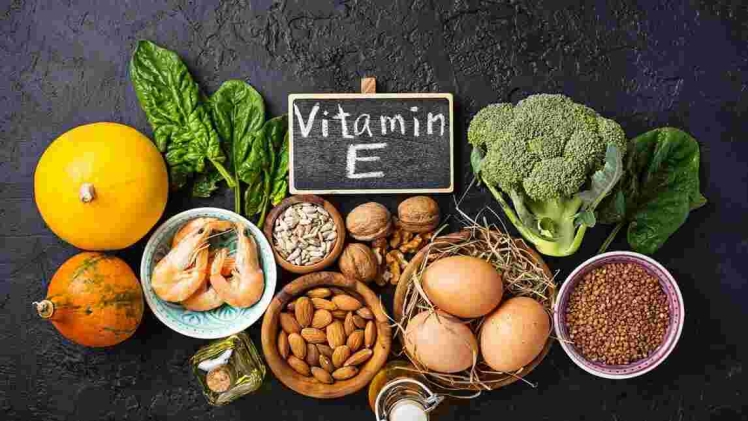
Vitamin E is a fat-soluble nutrient that acts as an antioxidant in the body. It plays a vital role in supporting immune function, preventing oxidative damage to cells, and protecting against chronic diseases. In this article, we’ll explore the health benefits of vitamin E and discuss some of the best sources of this essential nutrient.
Health Benefits of Vitamin E
- Antioxidant protection: Vitamin E is a potent antioxidant that helps to neutralize free radicals and prevent oxidative damage to cells. Free radicals are unstable molecules that can damage cells, proteins, and DNA, leading to inflammation, aging, and chronic diseases such as cancer and heart disease.
- Immune support: Vitamin E also plays a critical role in supporting immune function by enhancing the activity of white blood cells, which help to fight off infection and disease.
- Skin health: Vitamin E is a popular ingredient in many skincare products due to its ability to nourish and protect the skin. It helps to maintain skin health by reducing inflammation, improving hydration, and promoting healing.
- Eye health: Vitamin E may also benefit eye health by reducing the risk of age-related macular degeneration (AMD), a leading cause of blindness in older adults. Studies have shown that individuals with higher intakes of vitamin E have a lower risk of developing AMD.
- Cardiovascular health: Vitamin E may also help to protect against cardiovascular disease by reducing inflammation, preventing the oxidation of LDL cholesterol, and improving blood vessel function.
Nutritional Sources of Vitamin E
- Nuts and seeds: Nuts and seeds are some of the best sources of vitamin E. Almonds, hazelnuts, sunflower seeds, and peanuts are all excellent choices.
- Vegetable oils: Vegetable oils such as sunflower, safflower, and wheat germ oil are also rich in vitamin E.
- Leafy greens: Leafy greens such as spinach, kale, and Swiss chard are good sources of vitamin E.
- Avocado: Avocado is a delicious source of vitamin E, with one medium avocado providing about 20% of the recommended daily intake.
- Fortified foods: Many processed foods such as breakfast cereals, bread, and plant-based milks are fortified with vitamin E, making them a convenient source of this essential nutrient.
Daily Recommended Intake
The recommended daily intake of vitamin E varies depending on age and gender. According to the National Institutes of Health, the following are the recommended daily intakes of vitamin E:
- Infants (0-6 months): 4 mg
- Infants (7-12 months): 5 mg
- Children (1-3 years): 6 mg
- Children (4-8 years): 7 mg
- Children (9-13 years): 11 mg
- Teens (14-18 years): 15 mg
- Adults (19 years and older): 15 mg
It’s important to note that consuming too much vitamin E can be harmful, especially in the form of supplements. High doses of vitamin E supplements have been associated with an increased risk of bleeding and can interfere with the absorption of other vitamins.
Conclusion
Vitamin E is a critical nutrient that plays a vital role in supporting overall health and wellbeing. From protecting against oxidative damage to supporting immune function, vitamin E offers a wide range of benefits. By incorporating foods rich in vitamin E into your diet, you can help to ensure that you’re getting the recommended daily intake of this essential nutrient. As always, it’s important to talk to your healthcare provider before taking any supplements or making significant changes to your diet.
Tags:
vitamin e 400 iu benefits, vitamin e benefits for men, vitamin e benefits for women, vitamin e capsules benefits, vitamin e is too much, vitamin e deficiency, vitamin e benefits for skin, vitamin e supplement
