

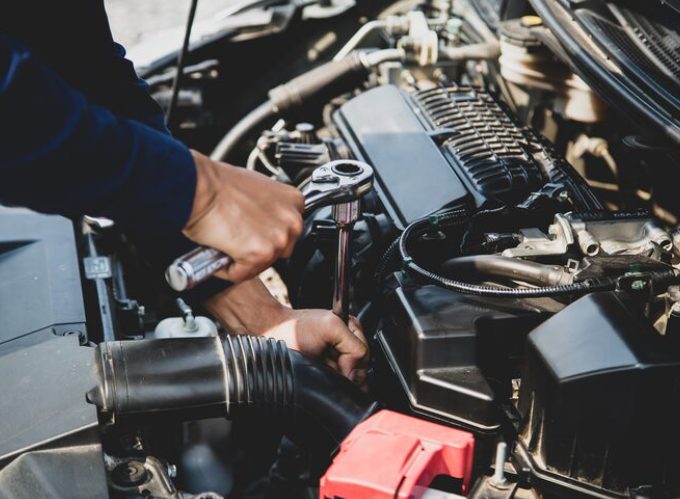
Mercedes engine faults often begin with small repair parts that do not get checked early enough.
A worn membrane, weak valve, leaking seal, faulty diaphragm, or tired actuator can create symptoms that feel serious, even when the main assembly is still serviceable.
I always prefer to inspect the smaller failure points before replacing major components. This approach can save money, reduce wrong repairs, and help identify the real cause behind oil leaks, smoke, rough idle, weak acceleration, or fault codes.
1. Rough Idle From a Failed PCV Membrane
A failed PCV membrane can disturb crankcase pressure and allow unmetered air into the intake. This can create rough idle, unstable engine speed, whistling noise, and mixture-related fault codes.
The fault may sit inside the valve cover, oil separator, or crankcase ventilation housing. If the housing is not damaged, a membrane repair part may be enough to restore correct pressure control.
2. Oil Leaks From Crankcase Pressure Problems
Oil leaks are not always caused by a failed gasket alone. If the crankcase ventilation system cannot control pressure, oil may be pushed past seals around the valve cover, oil separator, or breather area.
I would check the PCV system before replacing gaskets repeatedly. A small diaphragm fault can create pressure problems that make new seals fail again.
3. Smoke From a Weak Oil Separator Membrane
The oil separator keeps oil vapor from entering the intake. When the internal membrane weakens, oil mist can pass into the intake and burn inside the engine.
This may cause blue or grey smoke, oily intake pipes, carbon deposits, and higher oil use. The symptom can look like turbo wear, but the oil separator should be checked before assuming a major fault.
4. Poor Acceleration From Wastegate Wear
The wastegate helps control turbo boost. If the shaft, bushing, flapper, or linkage wears, the turbo may not build pressure correctly.
A Mercedes with this fault may feel slow, enter limp mode, or record underboost codes. A repair kit can be suitable when the turbo body and actuator remain in usable condition.
5. Weak Boost From Vacuum Pump Valve Issues
Vacuum control is critical on many Mercedes engines. A weak vacuum pump valve or a leaking internal part can affect turbo control, EGR movement, and other vacuum-operated systems.
Symptoms may include poor boost response, delayed acceleration, actuator movement faults, or oil leakage around the vacuum pump. If vacuum readings are unstable, valve-related repair parts should be checked here: https://klifex.com/vacuum-pump-repair-kits/mercedes-vacuum-pump-valves
6. Black Smoke From EGR Valve Problems
An EGR valve that sticks or responds slowly can affect combustion quality. Too much exhaust gas at the wrong time can make the engine hesitate, smoke, or idle poorly.
Black smoke, soot buildup, reduced fuel economy, and EGR fault codes are common signs. I would inspect the EGR valve, actuator, vacuum supply, cooler area, and related pipes before choosing parts.
7. Hesitation From Intake Manifold Membrane Failure
Some Mercedes intake systems use membranes or vacuum-controlled parts to manage airflow. If these parts leak or fail, the engine may not receive air correctly under load.
The result can be hesitation, poor acceleration, uneven idle, smoke, or intake-related fault codes. This type of fault should be checked before replacing the full intake manifold.
8. Power Loss From Boost Valve or Air Control Faults
Boost valves and air control parts help regulate pressure inside the intake and turbo system. A damaged membrane, seal, or actuator can leak pressure or respond too slowly.
This can cause reduced engine response, turbo fault codes, and weak acceleration under load. I would inspect boost hoses, valve movement, actuator control, and pressure data before replacing a turbocharger.
9. Engine Strain From Cooling or Climate Control Load
Sometimes a driver feels engine strain when the air conditioning system is switched on. The engine may idle lower, feel heavier at low speed, or show vibration if a climate-related part is creating excess load.
This should be separated from PCV, turbo, and EGR faults. If the concern points toward the air conditioning system rather than the engine itself, relevant Mercedes air conditioner parts can be checked here: https://klifex.com/repair-kits-for-car-air-conditioners/mercedes-air-conditioners-spare-parts
10. Fault Codes From Small Seals, Hoses, and Connectors
Small seals, hoses, and connectors can trigger faults that look complex. A split breather hose, loose vacuum line, damaged seal, or weak connector can affect airflow, boost pressure, crankcase ventilation, or EGR control.
I do not ignore these parts during diagnosis. A simple leak can create warning lights, smoke, idle issues, and poor engine response.
How to Confirm the Real Fault
A correct diagnosis should start with scan data, but it should not end there. I would read fault codes, check live data, inspect oil leak locations, test vacuum supply, examine boost pressure, and inspect membranes, seals, hoses, and actuators.
The engine code and original part number should also be checked before ordering repair parts. Similar Mercedes models can use different part shapes, sizes, and connections.
Final Thoughts
Many Mercedes engine faults are linked to small repair parts. PCV membranes, oil separator diaphragms, wastegate parts, vacuum pump valves, EGR components, intake membranes, boost valves, seals, hoses, and connectors can all create symptoms that feel expensive.
My advice is to inspect the small parts before replacing large assemblies. Find the exact fault, confirm compatibility, and repair the failed component with the correct part.
