

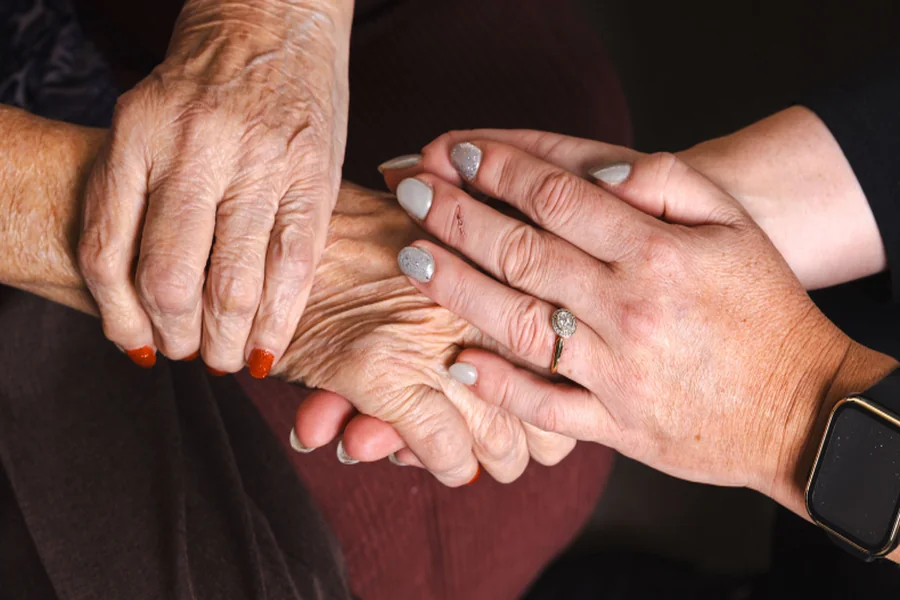
Something is changing in how Australians talk about death. Not dramatically, and not all at once, but noticeably. Conversations that a generation ago would have been considered morbid or taboo are increasingly being framed differently: not as concessions to mortality but as expressions of care. Not as uncomfortable necessities but as deliberate acts of generosity toward the people who will be left behind.
The Traditional Silence and Its Costs
For most of the twentieth century, death was simply not discussed in most Australian households. It was considered bad luck, morbid, or an invitation to the thing itself. And so people died without having made their wishes known, and the families they left behind were required to make major decisions quickly, while in acute grief, with no guidance whatsoever.
The costs of this silence were real but rarely named. Family conflicts over funeral arrangements. Financial pressure from unexpected expenses. The lingering guilt of surviving family members who were never sure whether the choices they made truly honoured their loved one. The particular exhaustion of being simultaneously bereaved and administratively burdened in the days immediately following a death.
These costs were absorbed as part of what losing someone meant. They were not seen as preventable, because prevention required conversations nobody wanted to have.
What Is Driving the Change
Several forces are driving the shift toward more open engagement with end-of-life planning.
One is direct experience. People who have been through the experience of arranging a funeral without guidance tend to resolve, having been through it, to spare their own families from the same. They have seen from the inside what the absence of planning produces, and they are motivated by that experience to do things differently.
Another driver is the changing conversation around prepaid funerals and advance care planning more broadly. As these options have become better known and more accessible, and as the financial and emotional benefits of pre-planning have become more widely understood, more Australians are treating them as reasonable and even obvious things to do.
A third driver is the broader cultural shift in how death is discussed. Movements toward what some call death positivity, the idea that open and honest engagement with mortality leads to better outcomes for individuals and families, have influenced how Australians think about these conversations. The argument is not that death should be celebrated but that refusing to acknowledge it honestly creates problems that honesty would avoid.
The Long Arc of Love
Love, over a full life, expresses itself in many ways. The early gestures are often dramatic: commitment, sacrifice, presence during difficulty. The later gestures tend to be quieter but no less significant.
Planning ahead, leaving clarity rather than confusion, sparing the people who matter most from unnecessary suffering: these are expressions of love that are no less real for being practical. The Australians who are making this choice are not unusual people. They are simply people who have thought about what the people they love will need, and who have done what they could to provide it. That is, at its core, what love looks like when it looks ahead.
